
Ultimate Office Security Installations for Modern Business Environments
Upgrade your office security with innovative installation solutions tailored to meet the demands of contemporary workplaces.
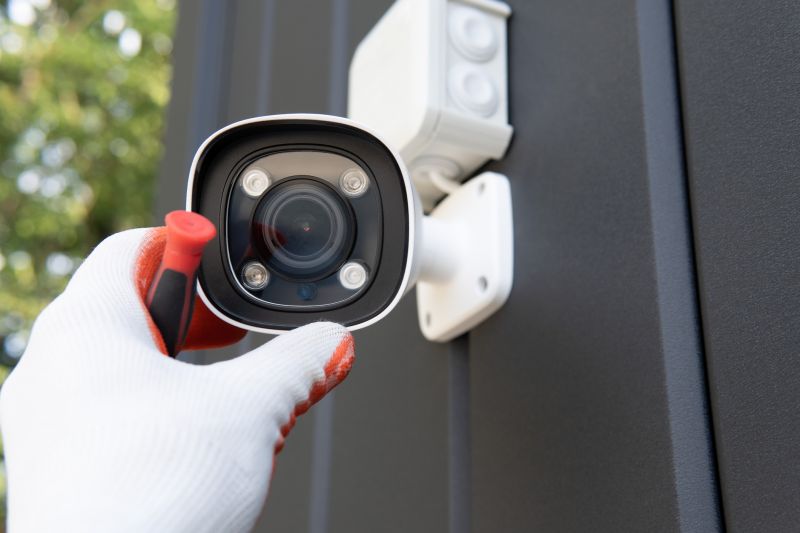 Implementing effective security measures in an office environment involves a combination of various products designed to deter unauthorized access and ensure safety. Security installations can range from physical barriers to electronic monitoring systems, each serving a specific purpose. Proper planning and selection of these products are essential to create a comprehensive security system tailored to the needs of the workspace. Whether safeguarding sensitive information, protecting personnel, or monitoring activity, choosing the right security equipment can significantly enhance overall safety.
Top Overall Option
Integrated Security Control Panel
An integrated security control panel serves as the central hub for managing various security devices within an office environment. It consolidates access control, alarm systems, and surveillance feeds into a single interface, simplifying operation and management. These panels typically support multiple user credentials, real-time alerts, and remote access capabilities, making them a versatile choice for diverse office security needs.
Types of Products For Office Security Installations
Access Control Systems
Devices that regulate and monitor entry points using cards, biometrics, or PINs to restrict unauthorized access.
Surveillance Cameras
Video recording devices that provide live monitoring and recorded footage for security oversight.
Alarm Systems
Electronic alerts triggered by unauthorized entry or other security breaches, notifying personnel or authorities.
Biometric Scanners
Security devices that authenticate users based on fingerprint, iris, or facial recognition technology.
Door and Window Sensors
Sensors that detect unauthorized opening or movement at entry points, triggering alarms.
Security Lighting
Motion-activated or timed lighting to deter intruders and illuminate key areas.
Intercom and Communication Systems
Devices facilitating secure communication within the office or with security personnel.
Visitor Management Systems
Solutions for tracking and managing visitors entering the office premises.
Safes and Secure Storage
Physical safes for securing sensitive documents, valuables, or confidential materials.
Network Security Devices
Firewalls and intrusion detection systems to protect office network infrastructure.
Security Signage
Signs that inform and deter potential intruders or unauthorized personnel.
Remote Monitoring Software
Applications that enable security management and surveillance viewing from remote locations.
Popular Choices
Cordless cameras that are easy to install and provide flexible surveillance options.
Access control solutions that eliminate the need for physical keys, often using codes or biometrics.
Sensors that detect movement within designated areas, triggering alarms or lights.
Numeric keypads that allow entry via PIN codes, often integrated with other security systems.
Door-mounted devices with video and audio capabilities to monitor visitors remotely.
Illumination devices that activate with motion detection, enhancing nighttime security.
Mobile applications that allow authorized personnel to manage security systems remotely.
Devices that send alerts via SMS or email when security breaches occur.
Physical barriers designed to prevent unauthorized access around office premises.
Tamper-evident tapes and labels used to secure sensitive areas or items.
Devices that monitor environmental conditions such as smoke, temperature, or humidity for safety.
Lockable storage units for confidential documents and valuables.
Devices that store and manage footage from multiple surveillance cameras.
Modern office security solutions often incorporate a mix of hardware and software components that work together seamlessly. Access control systems, for example, regulate who can enter different areas of the office, often utilizing keycards, biometric scanners, or PIN codes. Surveillance cameras provide real-time monitoring and recording capabilities, allowing security personnel to observe activity remotely or on-site. Alarm systems alert occupants and authorities in case of emergencies or breaches, adding an extra layer of protection.
When selecting security products, it's important to consider the specific layout and security needs of the office space. Factors such as the size of the premises, number of entry points, and the sensitivity of information stored within the office influence the choice of equipment. Integration capabilities with existing security infrastructure and ease of use are also vital considerations. Additionally, ongoing maintenance and support should be factored into the decision-making process to ensure the longevity and reliability of the installed systems.
A well-rounded security installation combines physical deterrents with electronic monitoring to create a comprehensive safety net. This approach not only helps prevent incidents but also facilitates quick response and effective management of security events. Investing in versatile and scalable products allows offices to adapt their security measures as needs evolve, ensuring continuous protection over time.
Key Buying Considerations
- Assess the size and layout of the office to determine the number and type of security devices needed.
- Identify the primary security concerns, such as unauthorized access, theft, or monitoring activity.
- Ensure compatibility and integration capabilities with existing security infrastructure.
- Consider user-friendliness and ease of operation for staff and security personnel.
- Evaluate the scalability of the system to accommodate future expansion or upgrades.
- Check for remote access features to manage security from off-site locations.
- Prioritize reliability and durability of hardware to withstand daily use and potential tampering.
- Review the quality of video resolution and storage options for surveillance equipment.
- Understand the maintenance requirements and availability of technical support.
- Ensure compliance with relevant security standards and privacy regulations.
- Balance security needs with budget constraints to select cost-effective solutions.
- Look for products with clear documentation and installation guidance.
- Consider the availability of training resources for staff managing the system.
- Evaluate the system’s ability to generate detailed logs and reports for security audits.
- Think about physical security features such as tamper alarms and robust enclosures.