Optimal Timing for Office Security Installations
Determining the optimal time for office security installations involves considering various operational and security factors. Implementing security measures during periods of low activity, such as weekends or after business hours, minimizes disruptions and allows for thorough setup. Planning installations during these times can also ensure minimal impact on daily operations and employee productivity.
Scheduling security installations after hours reduces interference with business activities and enhances safety during setup.
Choosing periods with milder weather can facilitate outdoor security system setup and reduce delays caused by adverse conditions.
Installing security systems before an office moves into a new space ensures comprehensive coverage from day one.
Timing installations during routine maintenance periods can streamline upgrades and system expansions.
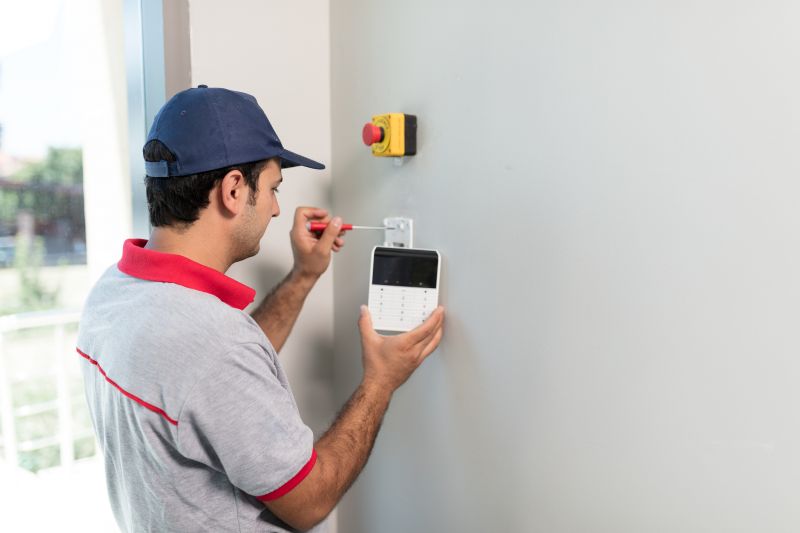
Installation process in progress at office entrance.
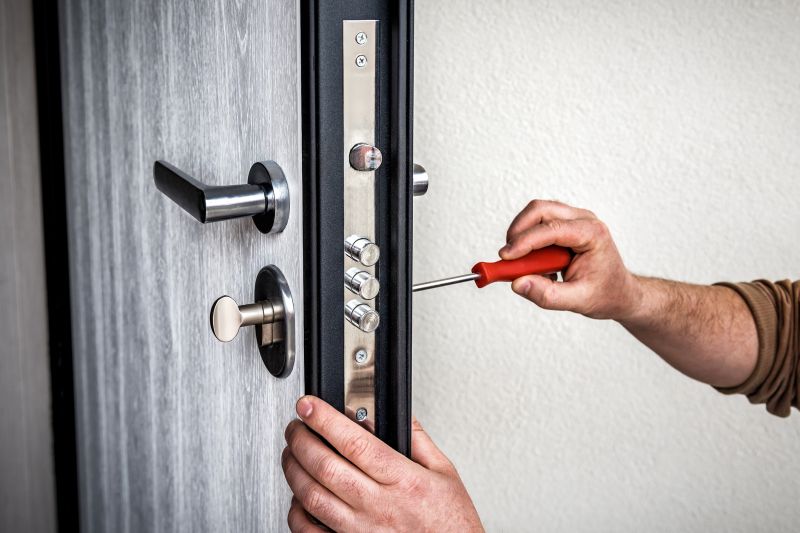
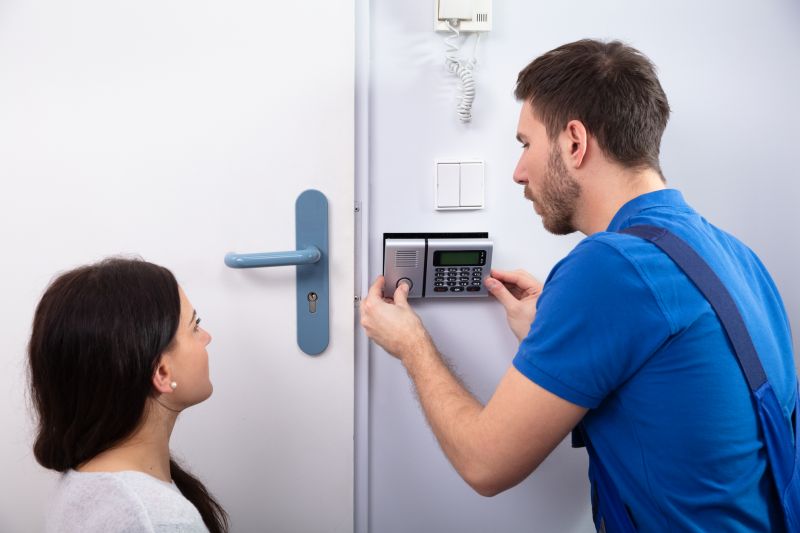
Technicians installing access panels on office doors.
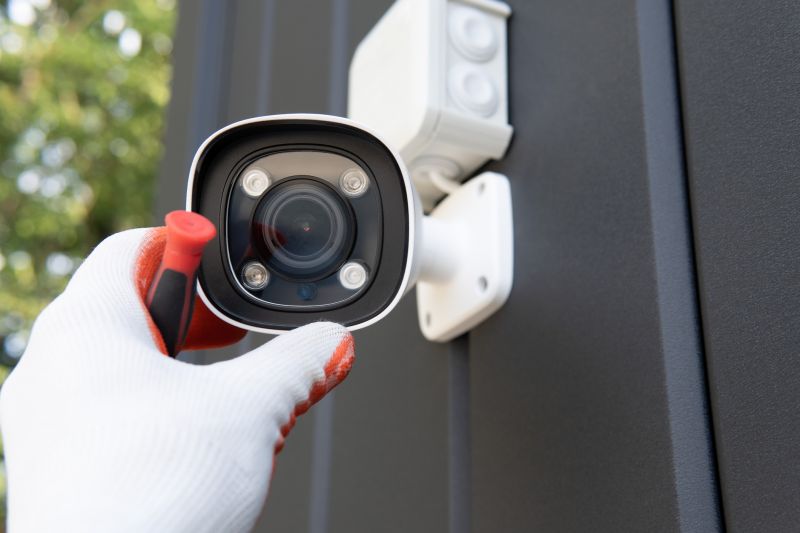
Camera mounting on office ceiling for surveillance.
Ways to make Office Security Installations work in tight or awkward layouts.

Popular materials for Office Security Installations and why they hold up over time.
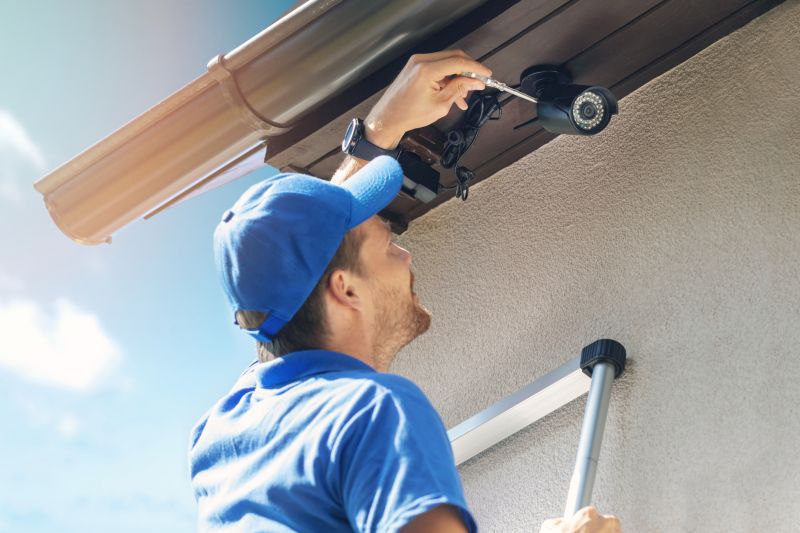
Simple add-ons that improve Office Security Installations without blowing the budget.
| Timing Factor | Impact on Security Installation |
|---|---|
| Off-Hours Scheduling | Minimizes operational disruption, enhances safety during setup. |
| Seasonal Timing | Weather conditions can affect outdoor installation schedules. |
| Pre-Move Installation | Ensures security coverage from the first day in a new office. |
| Maintenance Windows | Facilitates upgrades with minimal downtime. |
| Post-Incident Upgrades | Addresses vulnerabilities identified during security breaches. |
| Business Cycle Considerations | Aligning with low-activity periods reduces interference. |
| Staff Availability | Ensures necessary personnel are present for installation. |
Office security installations encompass a range of measures designed to protect assets, personnel, and information. These systems include access controls, surveillance cameras, alarm systems, and integrated security management platforms. Proper timing of installation ensures these systems operate effectively without disrupting daily operations. Statistics indicate that early implementation of security measures can reduce theft and vandalism incidents by up to 30%, emphasizing the importance of strategic timing.
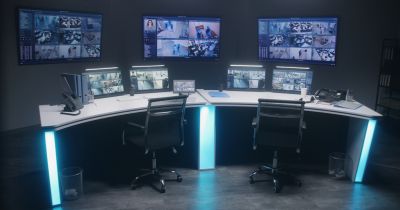
Various sensors and control panels installed in an office environment.
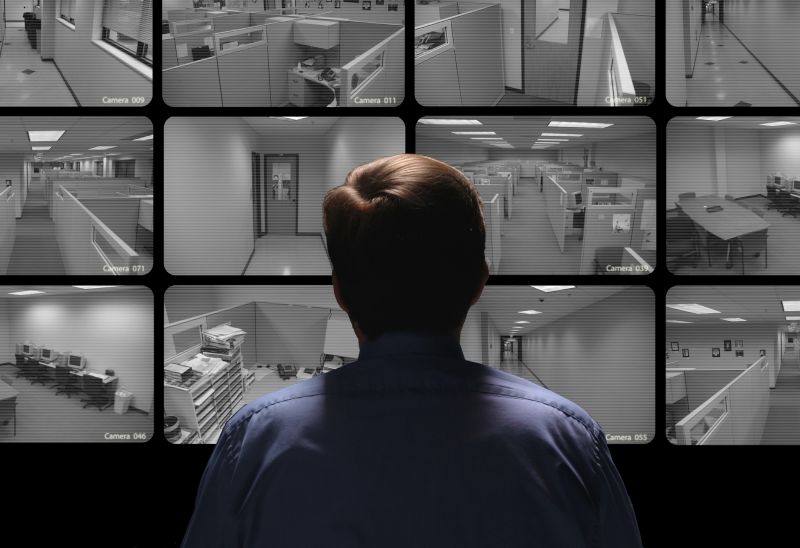
Multiple cameras monitoring office entrances and hallways.
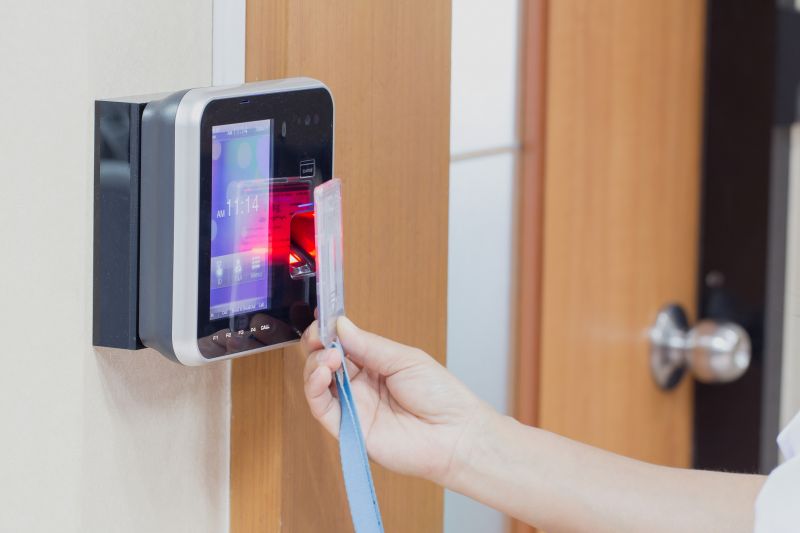
Electronic door locks and card readers in place.
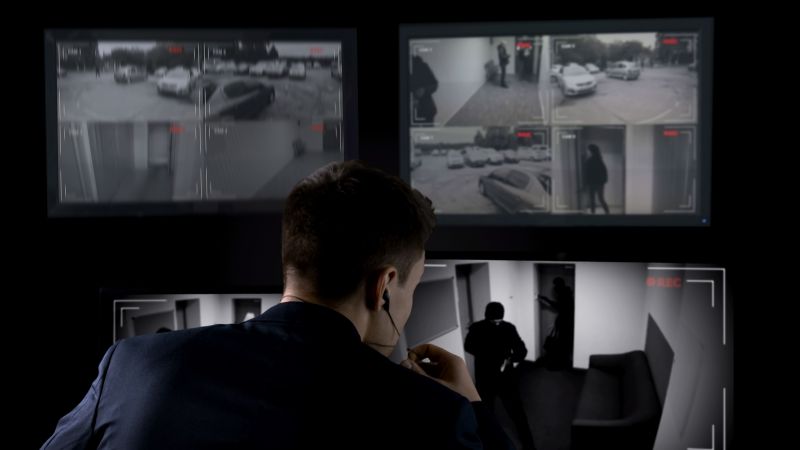
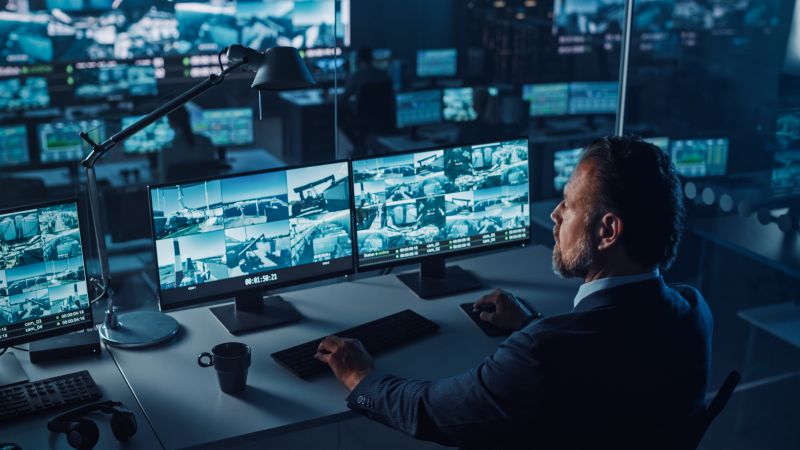
Operators overseeing live security feeds.
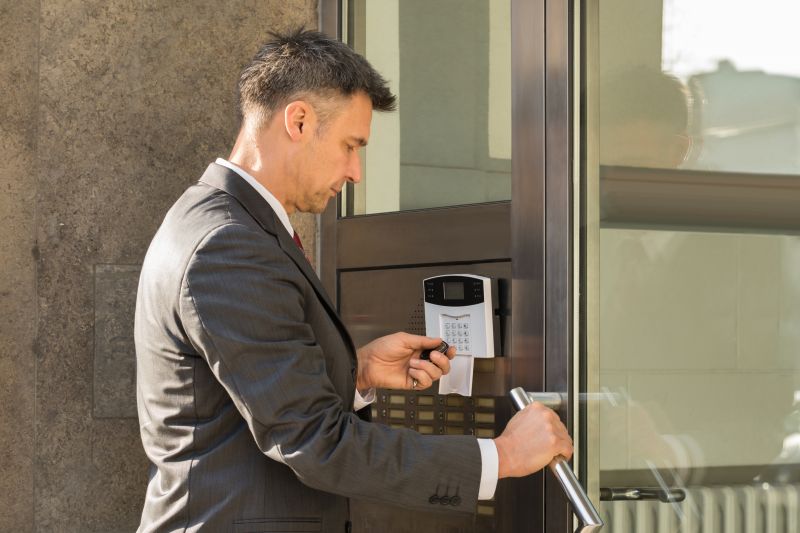
High-end options that actually feel worth it for Office Security Installations.
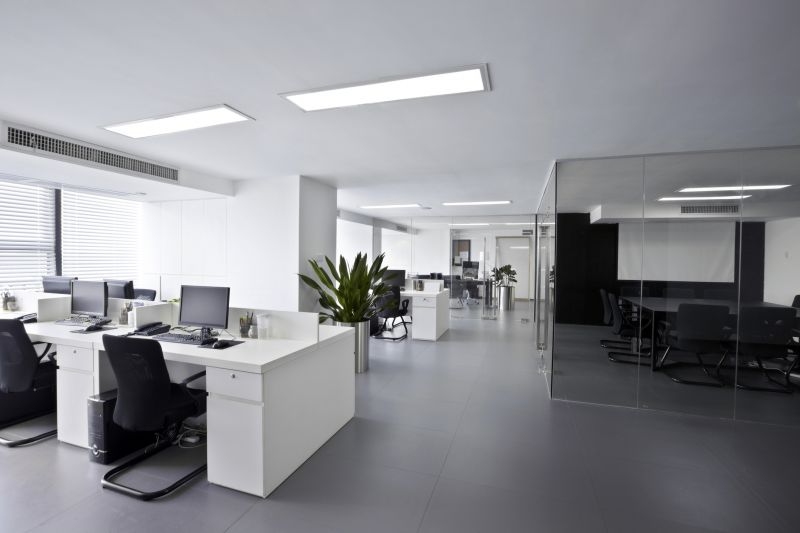
Finishes and colors that play nicely with Office Security Installations.
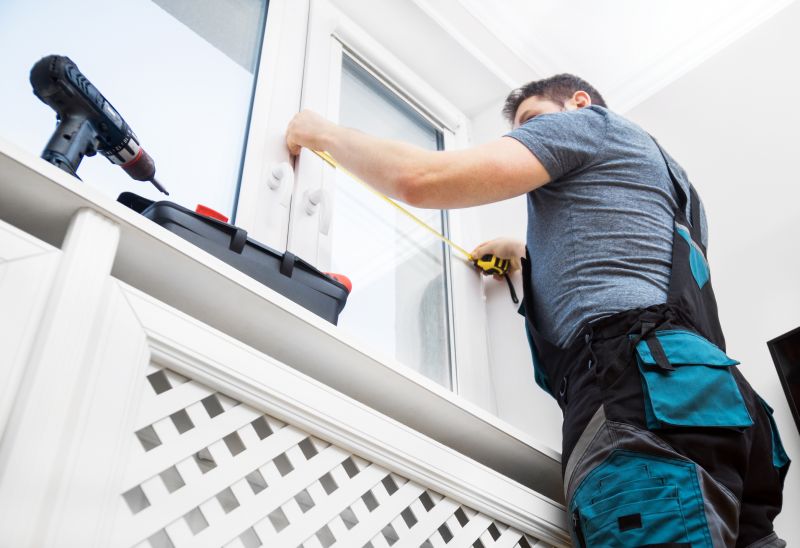
Little measurements that prevent headaches on Office Security Installations day.

A 60-second routine that keeps Office Security Installations looking new.
Engaging security professionals during optimal times enhances the effectiveness of the installation process. It ensures comprehensive system coverage, reduces the risk of errors, and allows for proper testing and calibration. Additionally, timely installation can help meet compliance standards and protect against potential liabilities.
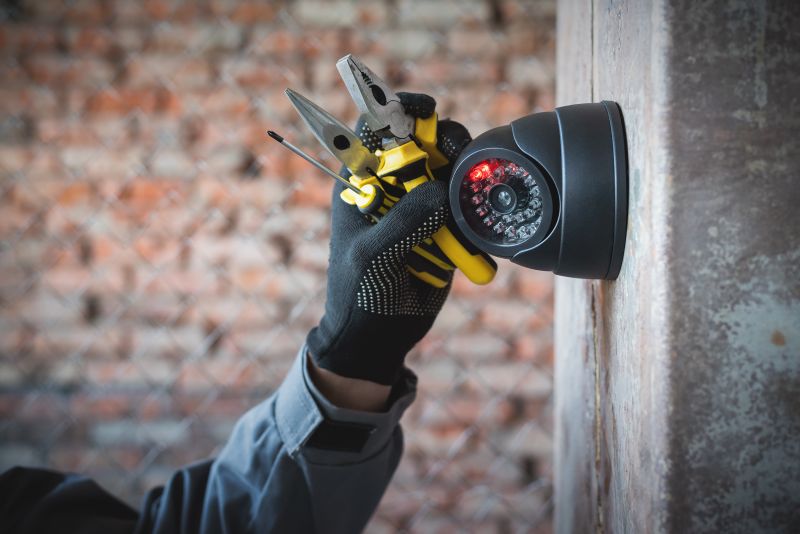
Technicians testing surveillance cameras after installation.
Security personnel reviewing system functionality.
A frequent mistake in Office Security Installations and how to dodge it.

Small tweaks to make Office Security Installations safer and easier to use.
Interested parties are encouraged to contact for detailed information about scheduling and implementing office security installations. Proper timing and planning are key to maximizing security system benefits and ensuring seamless integration into daily operations.